For 17 years, Aretech has pioneered robotic body-weight support — the technology that redefined how clinicians restore movement.
2009
Established
17
Years pioneering
1st
Robotic BWS
About Aretech
We didn't enter this field. We invented it.
For 17 years, Aretech has pioneered robotic body-weight support — the technology that redefined how clinicians restore movement.
2009
Established
17
Years pioneering the field
1st
Robotic body-weight support
Our story
The experts no one else can match
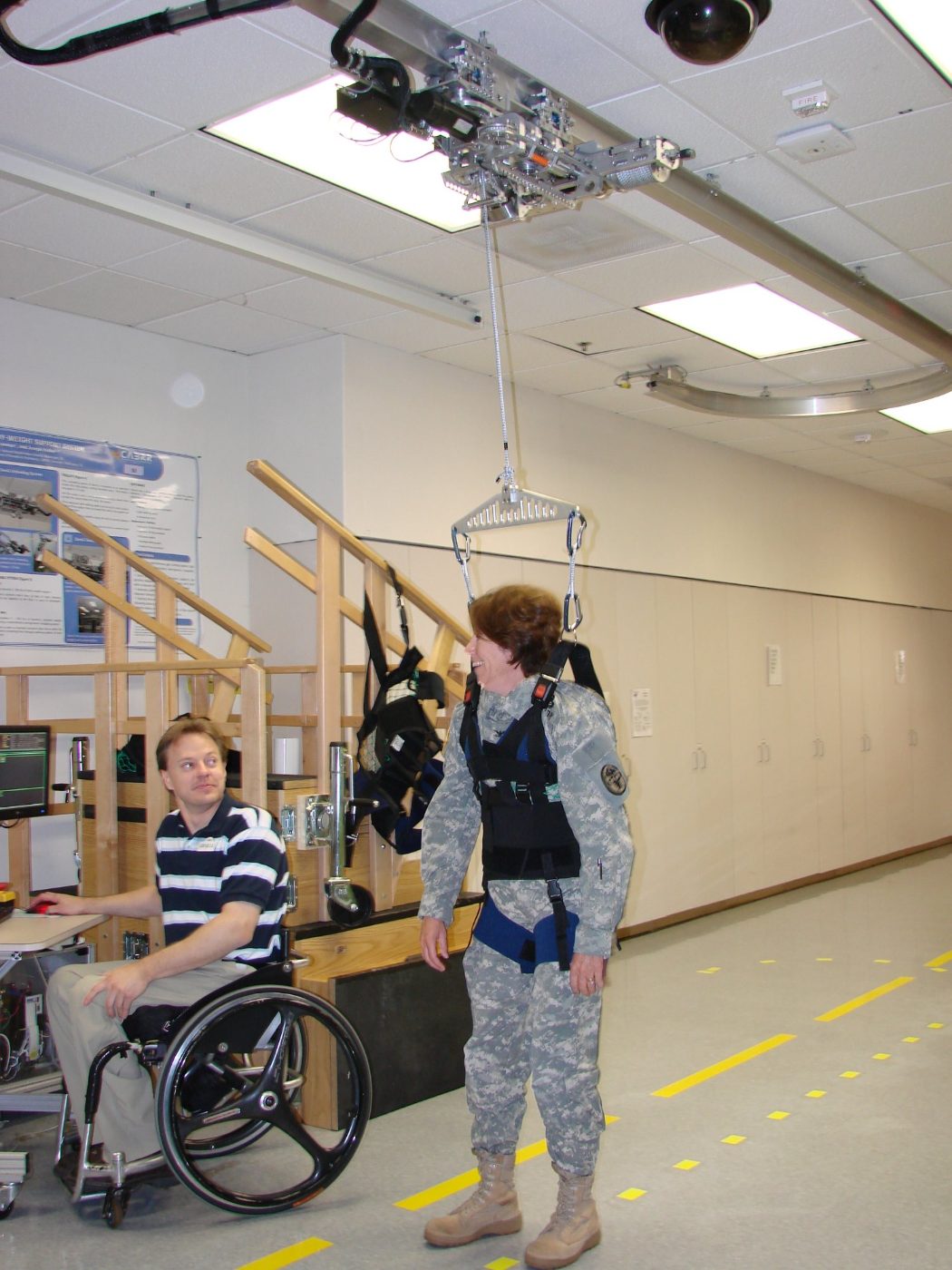
We created the field of robotic body-weight support from the ground up. What began with a single ZeroG used in the clinic in 2008 became an entire category of rehabilitation technology — and an understanding of the "why" and "how" that no competitor can replicate.
That depth comes from doing the hard work ourselves: designing, engineering, and building every system in-house. It's why clinicians around the world trust Aretech to get their patients up and moving — safely.
Joe Hidler, PhD
Founder & CEO
The founder
Building the future of rehabilitation
Back in 2004, Joe Hidler, PhD, led the Center for Applied Biomechanics and Rehabilitation Research at the National Rehabilitation Hospital (NRH) in Washington, DC. Backed by a U.S. Military grant to help service members returning wounded from Afghanistan and Iraq, he brought engineers and therapists together with a single charge: design the ideal therapy tool — one no one had built before.
There was no blueprint to follow and no competing product to learn from, so the team experimented without limits. Jet packs, balloons, bungee cords — nothing was too far-fetched to try, and most of it led nowhere. Progress stalled often enough that, at times, finishing the work felt out of reach.
✦
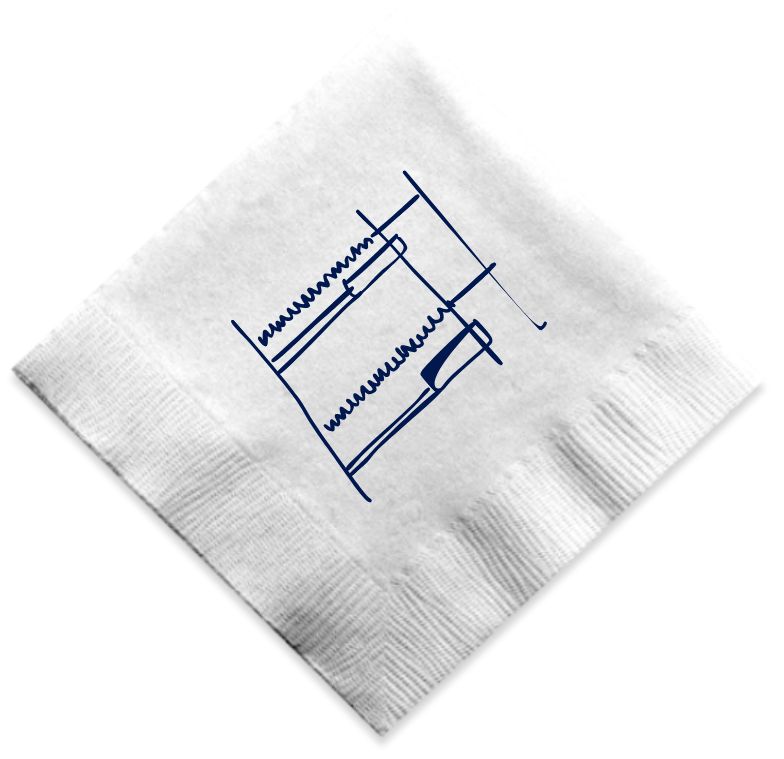
The breakthrough finally came where he least expected it — on a train between New York City and Washington, DC, where Dr. Hidler worked out the idea and sketched it onto the back of a cocktail napkin.
By 2006, that sketch had become a spring-based prototype — the team's first real glimpse of what would grow into the ZeroG Gait and Balance System. Every Friday morning, the engineers met with NRH therapists to keep the design rooted in how it would actually be used. In 2008, ZeroG treated its very first patient.
Word spread fast. Clinicians and researchers who saw ZeroG in action wanted one of their own, and it became clear the technology couldn't stay inside a single hospital. In 2009, Dr. Hidler founded Aretech — short for "Advanced Rehabilitation Technologies" — to bring ZeroG to clinics everywhere.
19 years of firsts
A track record built one breakthrough at a time
From the first ZeroG prototype to the most advanced systems now on the market, we've spent two decades defining what rehabilitation robotics can do.
2007
First prototype
The first ZeroG prototype is assembled.
2008
First clinical use
ZeroG is used with patients for the very first time.
2009
Aretech founded
Established to bring the first version of ZeroG to clinics.
2014
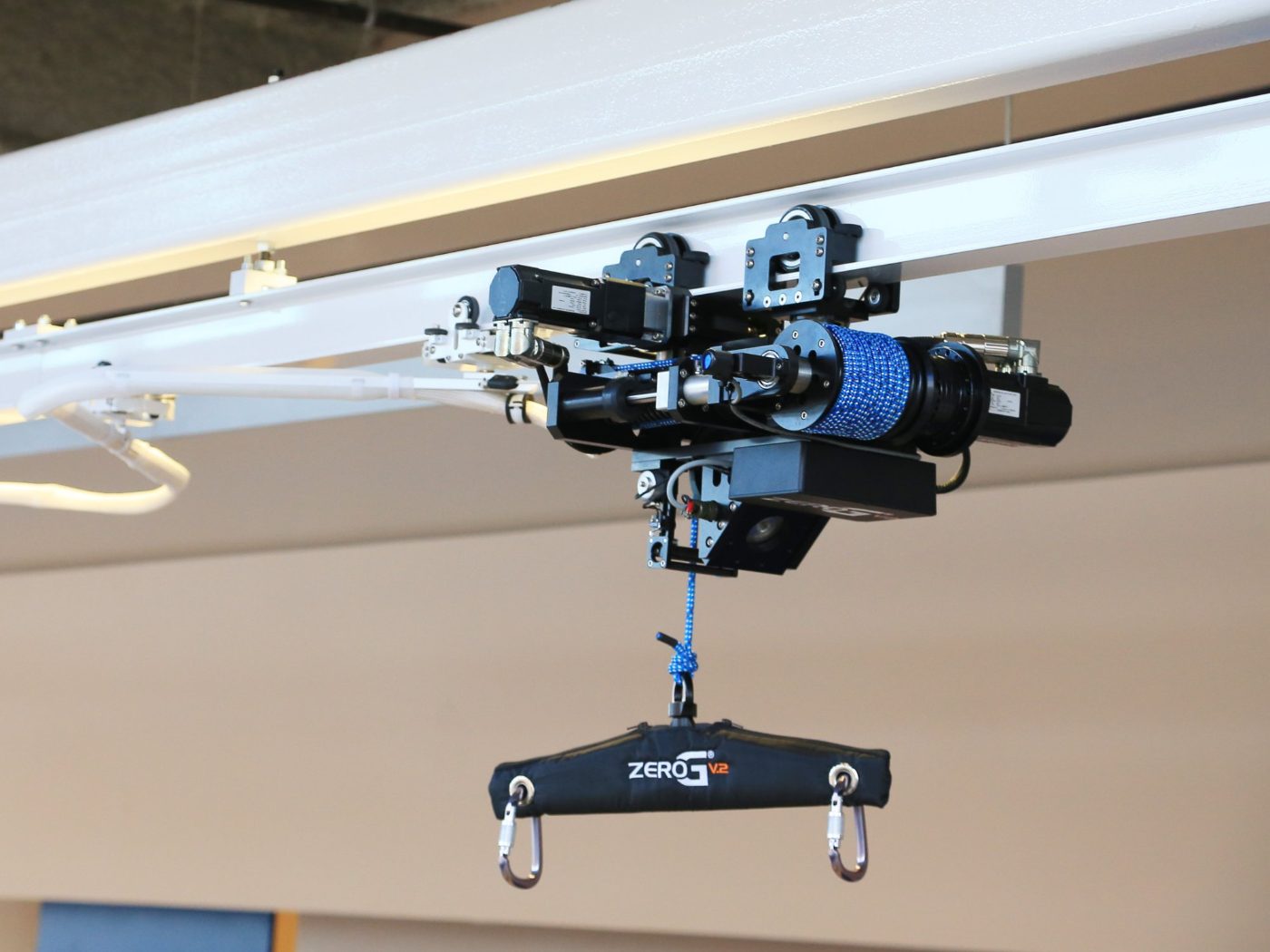
ZeroG Version 2
Kinetics and Fall Velocity introduced.
2017
ZeroG Version 3
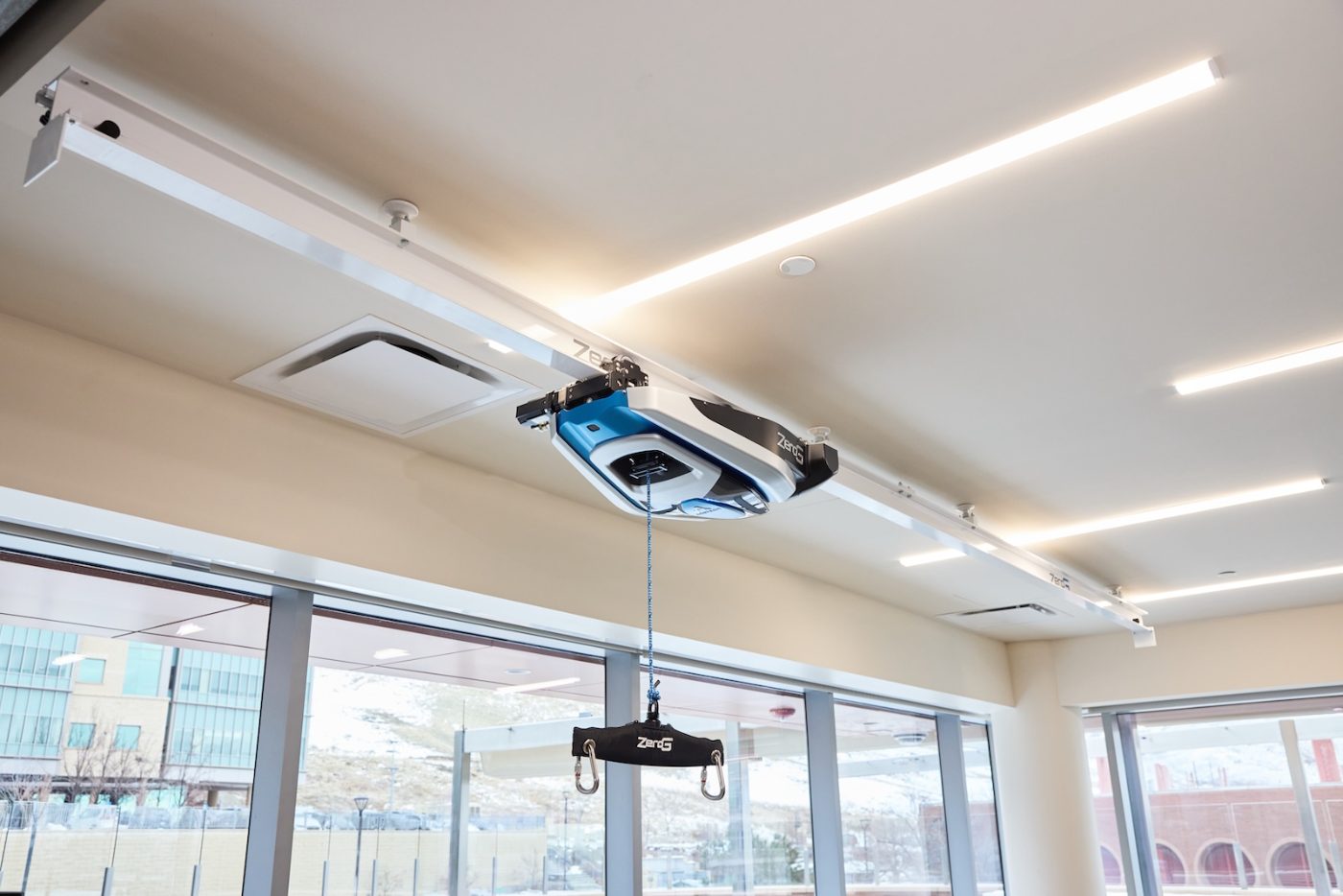
Cables are cut, with a new, sleek powered rail.
2019
TRiP
Perturbation training, allowing fall prevention practice.
2023
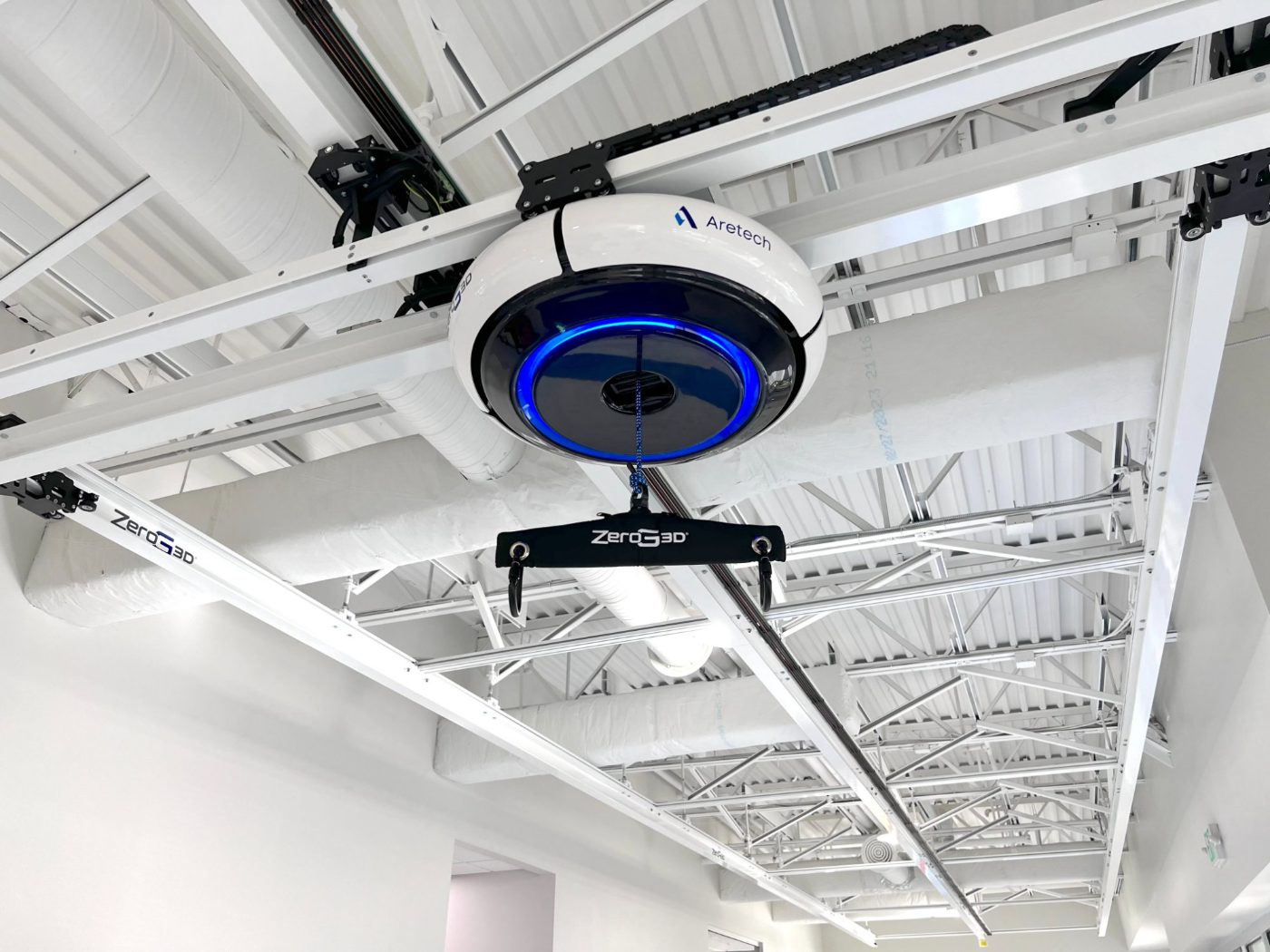
ZeroG 3D
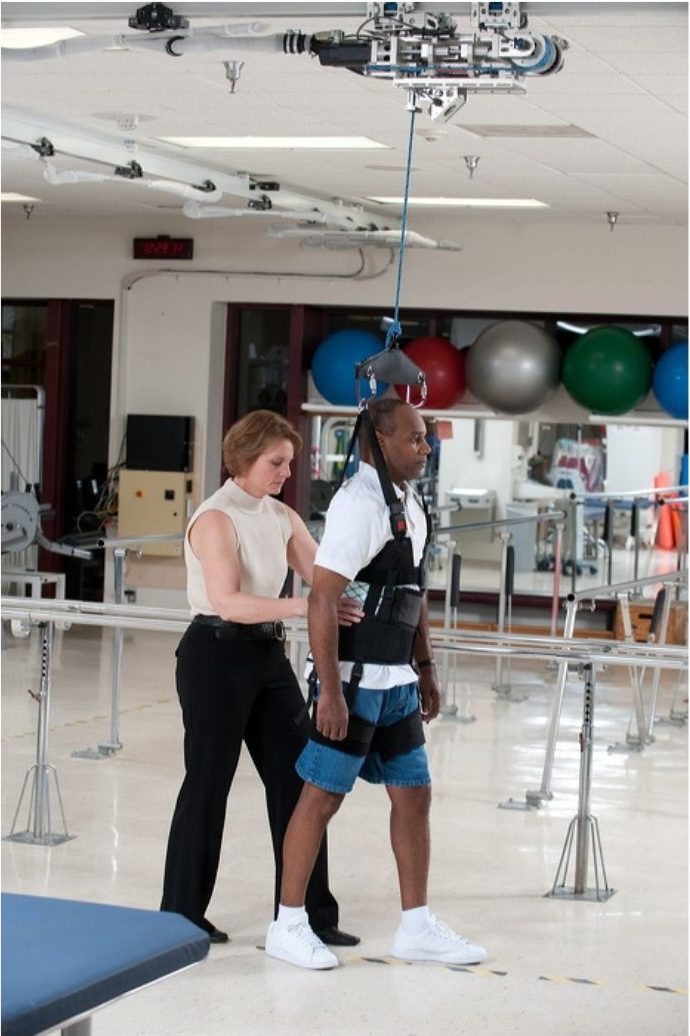
The world's first 3-dimensional system with a single rope.
2025
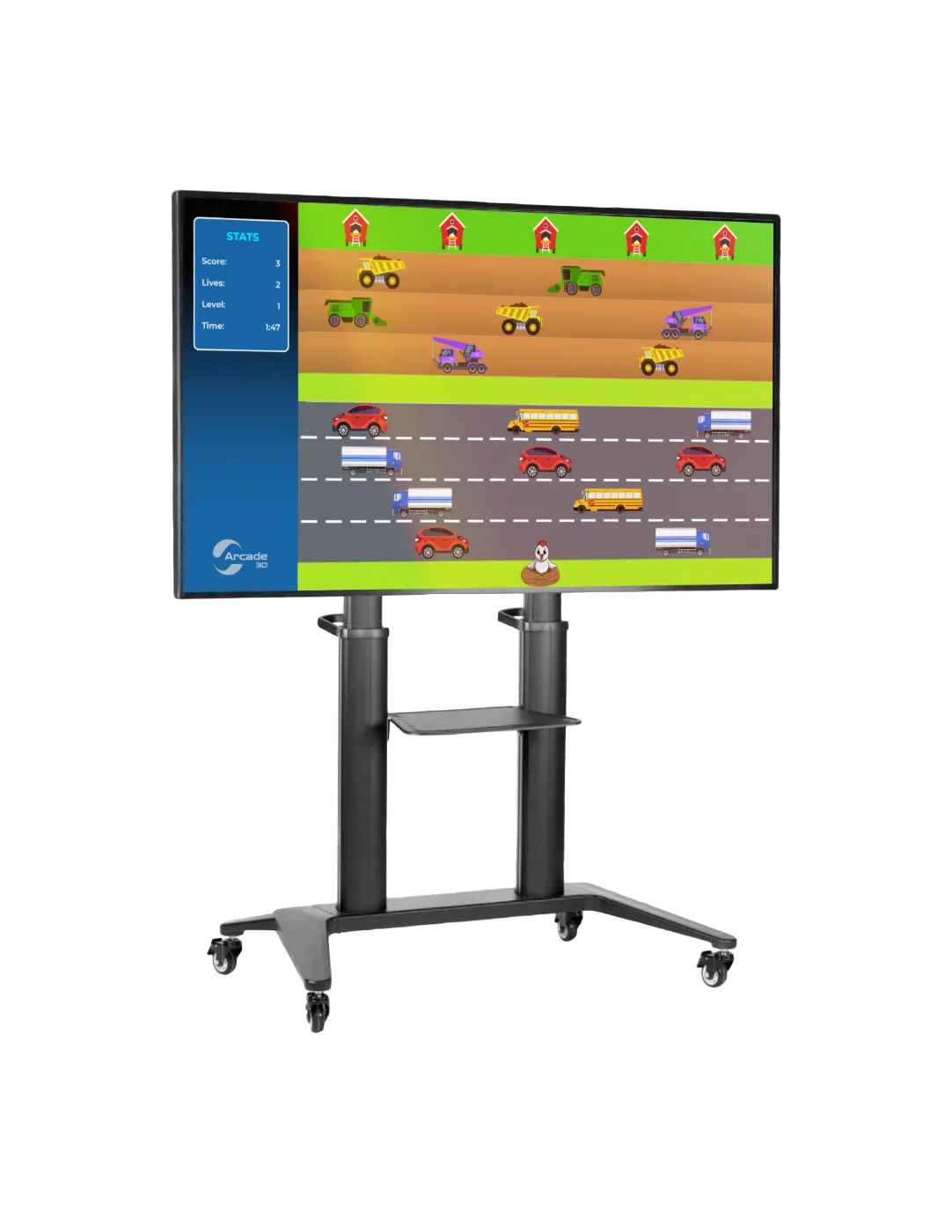
Arcade 3D
Interactive gaming played with patient movements in ZeroG 3D.
Today
Always advancing
Still setting the standard on what is next in rehabilitation robotics.
Why Aretech
What sets us apart
We are the experts
We invented robotic body-weight support and have spent 17 years refining it. No one understands the why and how of this technology more deeply — because we created the field and have advanced it ever since.
We hand-build our technology
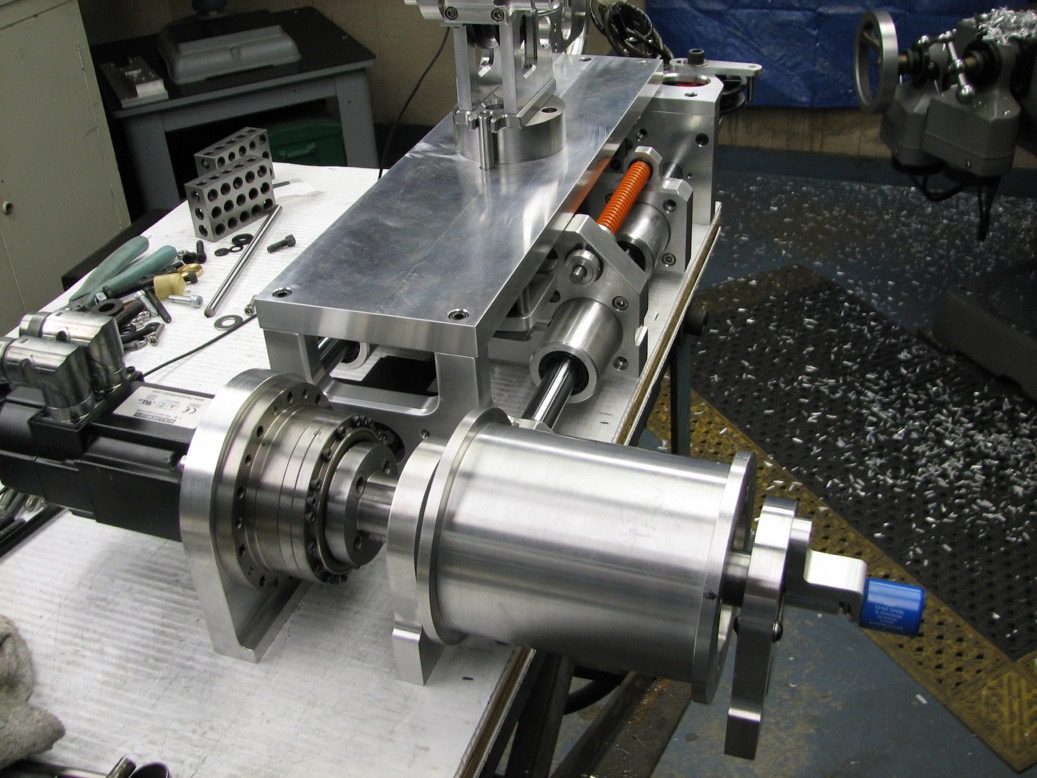
Every system is designed, engineered, and assembled in-house by the same people who invented it. Hand-building with the highest-quality components is how we deliver the safety, precision, and reliability clinicians count on.
We never stop innovating
From the first ZeroG to breakthroughs like TRiP and the world's first 3-dimensional body-weight support with a single rope, we keep pushing the field forward — generation after generation, feature after feature.
We stand behind every system
When you call Aretech, you reach the engineers who designed and built your technology — not an outsourced support line. That's the partnership that keeps your clinic moving.
Craftsmanship
The details you'll never see are the ones you'll feel for years
Quality isn't a final inspection — it's a thousand small decisions, made long before a system ever reaches your clinic.
Sourced with intention.
We source as many U.S.-made components as possible and choose the highest-quality parts available — down to the smallest ferrule.
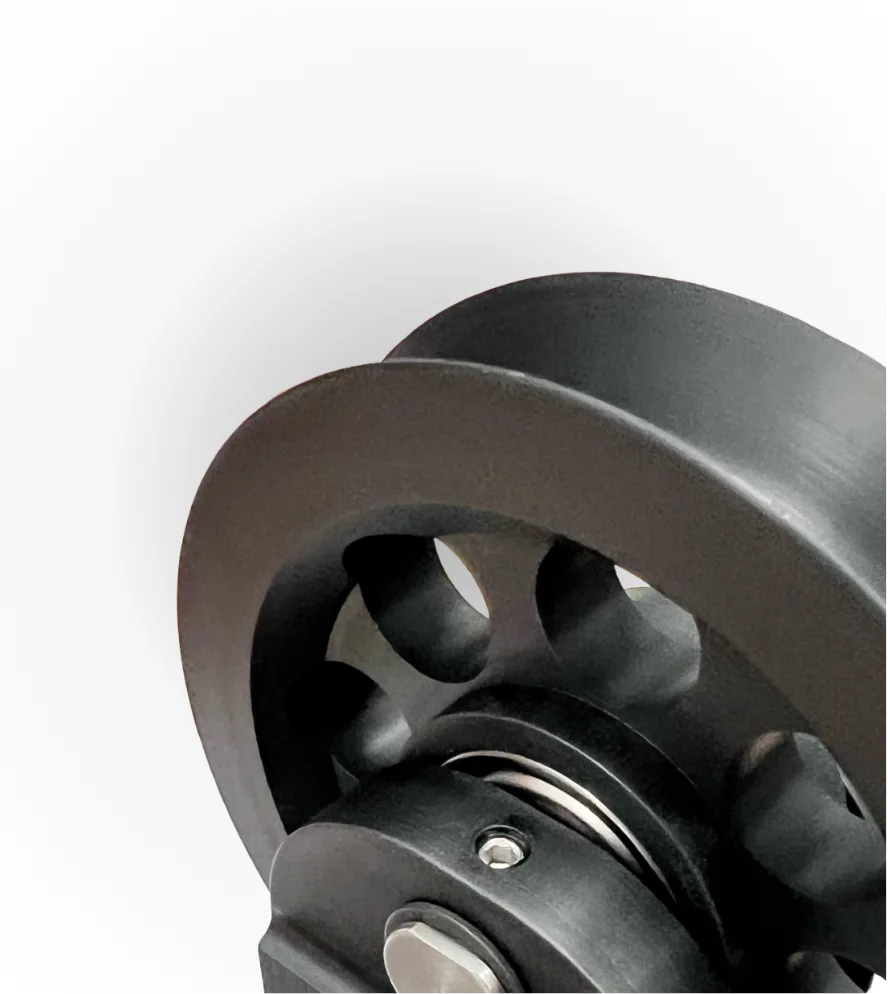
Precision-machined parts.
Our components are machined to exacting specifications so they fit together with a true, accurate seat. Tight tolerances mean every part lands exactly where it should and stays there.
Hand-soldered circuit boards.
Every board is soldered by hand — not pushed through an anonymous assembly line — so each connection is inspected as it's made.
Made by hand. Made to last.
Every wire is measured and cut to the exact length it needs, and every pin in every cable is placed by hand — for clean routing and lasting reliability.
Exact tolerances, down to the smallest part.
Precise tolerances are why parts fit together perfectly, move smoothly, run quietly, and perform with precision for the life of the system.
When all of these components come together, these small details are what ensure our customers receive the highest-quality systems available.
Partner with the people who invented the field
From first steps to high-intensity training, Aretech technology is built — and backed — by the team that created it.